
Tahrib is killing Somali youth but they are bent on continuing it. Young Somali men and women embark on perilous journeys to escape poverty and lawlessness in their home country and reach Europe or North America, where they think milk and honey flow. Tahrib is an Arabic word which means “smuggling” or “illegal migration”.
Young Somali people are participating in this illegal migration because they have given up on securing a meaningful life in their home country. They face continuous unemployment, political instability, and insecurity. Unemployment is very high in Somalia. Young Somali adults, even if they complete colleges and universities, cannot find jobs that can sustain their livelihoods. A study conducted in 2024 pegged the country’s youth unemployment rate at 33.92%, one of the highest in the world. Even those who have jobs cannot pay their bills. Their scant wages cannot afford them a decent place to live in or sufficient food to eat, let alone cover other necessary expenses. For that reason, they leave the country in droves, braving the dangers of tahriib.
Political instability and insecurity are other reasons that drive the desperate Somali youth out of their homes. A lot of them leave the country to escape mayhem and ever-ending wars, which have been going on for more than three decades since the country’s last central government disintegrated. Upon the disintegration, the Somali people set up regional states based on lineages and clan affiliations. The regional states have further compounded the youth’s plight because they cannot easily move from one region to another in search of better employment opportunities. Indeed, the regional states have created segregation and marginalization. The youth leave the country, for they fear falling prey to the so-called armed Islamic militias that purport to dismantle the current statehood and replace it with a state of their choice and preference. They entice the youth by promising them a better future and a better life in paradise if they die fighting for Islam. To prevent their youngsters from falling into the hands of the anti-government forces, many parents encourage them to make tahrib or escape to safer places.
Another factor that lures the youth to Tahrib is the false narrative propagated and spread by social media. Using illusive images and false narratives, some tahrib survivors who have ended up in Europe or North America contact their friends whom they left behind and tell them to do whatever it takes to come to the Western countries. Sources of livelihood are indeed more abundant in the West than in Africa, but survivors of tahrib convey, at times, wrong messages. Taking beautiful pictures under skyscrapers owned by other people is an exaggeration and a beguiling narrative. Again, taking photos inside rental cars is another exaggeration.
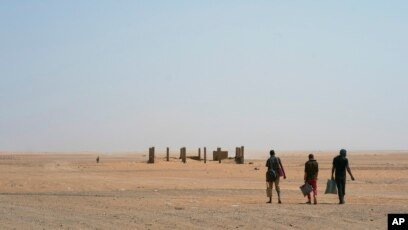
The Somali youth face hard conditions while making tahrib. They leave the comfort of their homes, trek on hazardous terrains, and face death in dark seas aboard perilous boats. Their routes of tahrib are different, but the most common route is through Sudan, then Libya, a place famous for callous magafes (smugglers). The Somali youth migrants cross the Sahara Desert between Sudan and Libya to reach the latter country, from where they board boats bound to Europe. (“The Sahara is the largest hot desert in the world and covers the northern third of Africa.”)
Tahrib entails difficult conditions both in the desert and at sea. Hordes of Somali youth perish while attempting to cross the scorching Sahara desert between Sudan and Libya. They brave such harsh conditions because they have one sole goal in mind, which is to reach Western Europe and break the cycle of poverty, as they suppose. Beguiled by false promises made by money-hungry smugglers, the Somali youth migrant do not often achieve their very ambitions and goals. Instead, they lose their lives after failing to keep pace with the Tahrib caravans. The migrants’ caravan leaves them behind because they cannot walk. They are left behind to die in the open and have their bodies consumed by ravenous wolves and hyenas. Their expectation evaporates. Those fortunate ones who cross the Sahara Desert have another challenge to overcome. To reach Europe, they board unsafe boats that often capsize in the Mediterranean Sea or the Indian Ocean. Their lifeless bodies frequently surface in the seas. It is another, unrealized expectation, which instead brings about tragic loss for hundreds of Somali families, and the society in general.
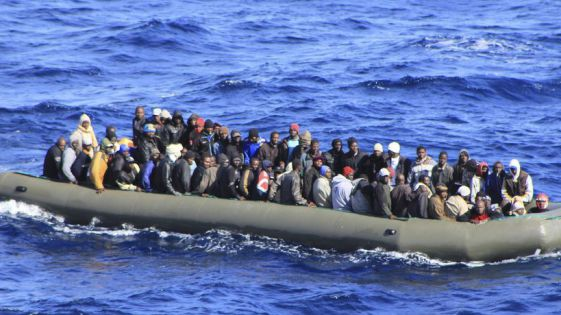
Tahrib depletes many Somali families’ assets and other sources of livelihood they possess. To free their children from the hands of ruthless magafes, parents auction their houses and other properties they own. Hence, they suffer emotional trauma and financial crisis. Hearing their children being beaten by one magafe or another demanding a hefty ransom is a traumatic thing for the parents. Even after selling their properties, some parents are not able to come up with the money asked for by the cruel smugglers. As a result, the parents’ hopeful children rot in dilapidated complexes controlled by the smugglers. While in such places, Somali youth migrants face all sorts of hardships and humiliation.
The terrifying tahrib ventures taken by the Somali youth will continue unless some precise measures are taken and put in place. Initiating employment opportunities for unemployed youth and enhancing the standards of underemployed youth is one step; raising tahrib awareness and warning the youth off its dangers is another step.